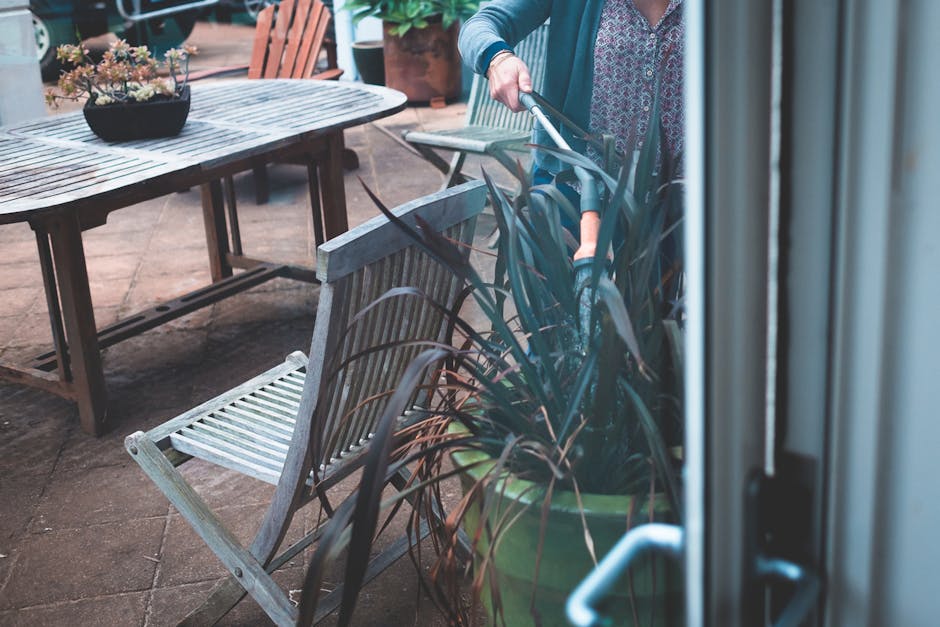
Kilburn High Road garden maintenance guide for terraces
If you live on or near Kilburn High Road, you probably know the terrace-garden routine by heart: a narrow space, a bit of shade, maybe a fence catching the wind, and plants that seem to either sulk or take over. A Kilburn High Road garden maintenance guide for terraces needs to be practical, not dreamy. Terraced gardens in this part of London have their own rhythm, and once you understand that rhythm, the whole space becomes easier to look after and far more enjoyable to use.
This guide walks through the real-world basics: how terrace gardens behave, what maintenance actually looks like through the year, which tools matter, where people go wrong, and how to keep things neat without turning gardening into a second job. You will also find local context, a simple checklist, and a few sensible comparisons to help you decide whether to do it yourself or bring in help. Nothing overblown. Just the useful stuff, the kind you can act on this weekend.
And yes, there is a fair bit to cover. Terrace gardens can be compact, but they ask for attention in surprisingly specific ways. One wet week, then a dry spell, then a sudden blast of wind down the road - and there you are, dealing with pots tipped over and a hedge that has somehow grown three inches overnight. Happens all the time.
Table of Contents
- Why Kilburn High Road garden maintenance guide for terraces Matters
- How Kilburn High Road garden maintenance guide for terraces Works
- Key Benefits and Practical Advantages
- Who This Is For and When It Makes Sense
- Step-by-Step Guidance
- Expert Tips for Better Results
- Common Mistakes to Avoid
- Tools, Resources and Recommendations
- Law, Compliance, Standards, or Best Practice
- Options, Methods, or Comparison Table
- Case Study or Real-World Example
- Practical Checklist
- Conclusion
- Frequently Asked Questions
Why Kilburn High Road garden maintenance guide for terraces Matters
Terraced gardens are not just smaller versions of suburban gardens. They are a different kind of space altogether. On Kilburn High Road and the surrounding streets, you often get a mix of shade, reflected heat from brick walls, limited access, compact planting areas, and neighbours quite close by. That combination changes how a garden grows, how it looks, and how often it needs attention.
Good terrace-garden maintenance matters because these spaces are usually visible from the house every day. A scruffy bed, a blocked drain, or a tired planter is hard to ignore when it is right outside the kitchen window. At the same time, a tidy, healthy terrace can make a flat or house feel calmer and more usable. It is not just about appearances either. Regular maintenance helps plants survive longer, reduces pest and disease problems, and stops small issues from becoming annoying little disasters.
In dense parts of London, terrace gardens also need to be manageable. If a garden becomes overgrown, people tend to leave it because it feels like too much work. Then the whole thing slides downhill. A sensible maintenance approach breaks the job into small, repeatable tasks, so the garden stays in control rather than the other way round. That is really the point.
There is also the social side. Terrace gardens often sit close to shared boundaries, rear access routes, or neighbouring properties. Keeping planting trimmed, paths clear, and waste removed neatly is simply good neighbour behaviour. It sounds obvious, but let's face it, overlooked hedges and leaf litter can cause more friction than anyone wants.
If you are also thinking about broader outdoor upkeep, it may help to look at related services such as garden maintenance, hedge trimming, or lawn mowing to keep the whole space under control rather than treating each problem separately.
How Kilburn High Road garden maintenance guide for terraces Works
Terrace garden maintenance works best when it is treated as a cycle, not a one-off clean-up. You inspect, tidy, prune, feed, water, and reset the space according to the season. On a terrace, the job is usually less about heavy landscaping and more about consistent care. The value is in regularity.
Think of the process in three layers:
- Visible care - trimming, sweeping, deadheading, washing pots, removing weeds, and keeping edges neat.
- Plant health - watering properly, feeding in the right months, checking drainage, and pruning at the right time.
- Space management - making sure access points, paths, bins, and storage do not crowd the garden or make it awkward to use.
In a compact London terrace, a small issue can change the whole feel of the space. A clogged pot tray leads to standing water. Standing water leads to root stress or mosquitoes. A neglected climber becomes heavy and unruly. A patch of moss on paving turns slippery after rain. Tiny stuff, but it adds up fast.
The maintenance approach also depends on what your terrace is made of. Some gardens are mostly paving with containers. Others have shallow beds, a small lawn, or raised planters. Some are south-facing and dry out quickly; others sit in shade and hold moisture for too long. If your terrace is on the cooler side of a building, you will need to think more carefully about airflow and fungal issues. If it catches full afternoon sun, watering and mulching become much more important.
For plant-heavy terraces, regular pruning and seasonal refreshes make a huge difference. For hard-landscaped terraces, the focus shifts toward cleaning, moss control, edging, and keeping joints or drainage points clear. The work is similar in principle, but the priorities change. That is where a local, practical guide beats generic advice every time.
Key Benefits and Practical Advantages
A well-maintained terrace garden gives you more than a nicer view. It changes how the outdoor space functions day to day. And in a busy area like Kilburn, function matters.
- Better curb and home appeal: Clean lines, healthy planting, and tidy surfaces make the property feel cared for.
- Healthier plants: Regular maintenance reduces pest build-up, mildew, congestion, and watering mistakes.
- More usable space: Paths, seating areas, and pots stay clear instead of becoming cluttered or awkward.
- Less expensive fixing later: Small jobs cost less effort than recovering a neglected terrace.
- Improved safety: Slippery paving, broken pots, and obstructed steps are easier to spot early.
- Less stress: A garden that stays under control is far easier to enjoy after work or at the weekend.
There is also a very simple benefit people underestimate: consistency makes outdoor space feel more inviting. If you can step outside and not immediately see weeds or dead growth, you are more likely to actually use the space. A cup of tea at 8 a.m., a bit of quiet in the evening, whatever your routine is. Those moments matter more than they sound.
Expert summary: The best terrace-garden maintenance is not dramatic. It is steady, seasonal, and slightly boring in the best possible way. Keep the garden neat, keep the drainage clear, and keep the planting matched to the light. That alone solves a surprising amount.
Who This Is For and When It Makes Sense
This guide is for anyone responsible for a terrace garden on Kilburn High Road or nearby streets, whether you own the property, rent it, manage it, or are simply trying to stop the place from getting away from you. It is especially useful if your outdoor space is compact, partly shaded, or mostly container-based.
It makes sense if you are dealing with any of the following:
- a small rear terrace that gets cluttered quickly
- pots and planters that dry out too fast in summer
- moss, algae, or damp patches on paving
- shrubs or climbers that are beginning to dominate
- a garden that looks fine from a distance but feels neglected up close
- limited time and no appetite for complicated upkeep
It is also useful for people who want to decide whether to manage the work themselves or hire support. Not everyone has the time, tools, or patience for seasonal maintenance. Truth be told, many terrace gardens look easy until you start doing the work every few weeks. The devil is in the detail, as the saying goes.
If you are comparing local help, it can be useful to explore trusted pages on garden design, planting services, or garden clearance depending on whether the space needs shaping, replanting, or a proper reset. A terrace that has been left for a while often needs a bit of all three.
Step-by-Step Guidance
Here is a straightforward way to maintain a terrace garden without overcomplicating it. If you follow this sequence, you will catch most issues early and keep the space manageable.
1. Start with a quick survey
Walk the whole terrace first. Look for dead plants, broken pots, weeds in paving, blocked drains, leaning supports, and anything that seems out of place. Do not start pruning blind. A two-minute look around saves time later. Sometimes the problem is obvious. Sometimes it is a pot hiding a drainage mess underneath. Happens more than you would think.
2. Clear the surface
Remove litter, fallen leaves, dead stems, and any items that do not belong in the space. Sweep hard surfaces and check corners where debris collects. In a terrace, tidiness is not cosmetic only; it affects drainage and access too. Keep the paved areas clear enough that rainwater can move away properly.
3. Deal with weeds early
Weeds are easiest to manage when they are tiny. Pull them by hand where possible, especially from cracks and planter edges. For persistent growth, improve the barrier between soil and paving, and top up mulch or gravel where suitable. If you wait until weeds seed, you are volunteering for more work later. No one wants that.
4. Prune with purpose
Trim back overgrown shrubs, climbers, and perennials so they keep a good shape and do not block light or paths. Avoid cutting everything at once unless the plant genuinely needs renewal pruning. For terrace gardens, smaller and more frequent pruning is usually better than one big chop. Gentle shaping tends to look better in compact spaces.
5. Check watering needs properly
Container plants usually need the most attention. Feel the soil, not just the surface. If the top is dry but the lower layer is still moist, you may not need to water yet. In hot weather, morning watering is usually kinder than late evening watering, because the plant gets what it needs before the heat builds. In shaded terraces, overwatering is just as common as underwatering, so keep an eye on drainage.
6. Feed where it makes sense
Most terrace gardens benefit from some feeding during the growing season, especially pots and hungry flowering plants. Use the right feed for the plant type, and do not overload the soil. Too much fertiliser can push soft, weak growth. A little, used properly, is better than a lot. The packet instructions matter, annoying as that sounds.
7. Inspect drainage and containers
Make sure pots have drainage holes and are not sitting in stale water. Lift trays now and then. Check that water can leave the area, especially after rain. If a terrace regularly puddles, you may need to rethink placement, add better drainage, or reduce the number of containers blocking the route.
8. Refresh mulch, topsoil, or gravel where needed
Mulch helps retain moisture and suppress weeds in beds, while decorative gravel can tidy exposed areas and reduce mud splash. On a small London terrace, these finishing touches do more than they seem to. They make the garden feel cared for, and they simplify upkeep between visits.
9. Finish with a final tidy
Put tools away, group pots neatly, and leave the space ready to use. It sounds minor, but a terrace that ends the day organised is much easier to maintain next time. You want the garden to feel reset, not just worked on.
Expert Tips for Better Results
Most terrace gardens improve dramatically with a few small habits. These are the bits people often skip because they sound too simple. In practice, they are the difference between a garden that stays tidy and one that slowly goes off the rails.
- Match plants to the light: A shady east-facing terrace and a bright south-facing one need different planting. Choose accordingly or you will keep fighting the same problems.
- Use fewer, stronger focal plants: In small gardens, too many varieties can look busy and become harder to manage. A few good structural plants usually work better.
- Mulch in the right places: Use it around beds and larger containers where it will help retain moisture and suppress weeds.
- Check from inside the house: Look at the garden from your kitchen or living room. That view often shows awkward gaps, clutter, or imbalance more clearly than standing in the garden itself.
- Prune little and often: Small trims keep a terrace looking crisp without that harsh, overcut look.
- Keep a simple seasonal routine: A repeating pattern is easier to follow than an ambitious plan that you forget after two weeks.
One useful little trick: keep a pair of secateurs and a hand trowel somewhere easy to reach. If the tools are buried in a shed under two chairs, you will not use them when needed. Convenience wins more often than willpower, honestly.
Also, do not underestimate the value of a quick five-minute clean-up after bad weather. A windy evening on Kilburn High Road can leave all sorts of debris in one corner. A short reset prevents that "I'll deal with it later" pile from becoming the whole garden.
If your terrace includes mature shrubs or taller hedging, a specialist service such as tree surgery or shrub maintenance may be more appropriate than trying to force everything back into shape with basic hand tools.
Common Mistakes to Avoid
Terrace gardens are forgiving in some ways, but they do punish certain habits. Avoiding these common mistakes will save you a lot of frustration.
- Overwatering pots: This is probably the most common terrace mistake. Wet roots do not equal happy plants.
- Ignoring drainage: Water that cannot move away will eventually cause problems, even if the planting looks fine for a while.
- Letting climbers run wild: They can shade out smaller plants, pull on supports, and make the whole space feel closed in.
- Using the wrong plants for the space: A plant that hates shade will never thrive in a shady rear terrace, no matter how kindly you treat it.
- Pruning at the wrong time: Some plants lose shape or next season's flowers if cut at the wrong moment.
- Leaving the garden to "sort itself out": It will not. Gardens are many things, but self-managing is not one of them.
There is also a design mistake worth mentioning: trying to cram too much into a small terrace. A few well-chosen planters, a clear path, and one or two strong features usually look far better than a crowded mixture of everything you liked in the garden centre. We have all been tempted. The trolley fills up before the brain catches up.
Tools, Resources and Recommendations
You do not need a huge toolkit to maintain a terrace garden properly. In fact, too many tools can make a small space feel cluttered. A compact, reliable set is usually best.
| Tool or Resource | Best Use | Why It Helps on a Terrace |
|---|---|---|
| Hand secateurs | Pruning stems and deadheading | Precise control in tight spaces |
| Hand fork and trowel | Weeding, planting, light soil work | Ideal for beds and containers |
| Watering can or hose with gentle setting | Regular watering | Lets you water pots without flooding them |
| Stiff broom | Sweeping paving and steps | Keeps hard surfaces safer and neater |
| Mulch or gravel | Moisture retention and weed suppression | Useful for tidy, low-maintenance finish |
| Plant labels or notes app | Tracking varieties and care needs | Very helpful when the terrace has mixed planting |
For practical support, it can also help to review services such as seasonal garden clear-up, turfing, or patio cleaning depending on what your terrace actually needs. Not every garden issue is a planting issue. Sometimes the hard surfaces are the real problem.
Resource-wise, use a simple calendar reminder for monthly checks. Honestly, that alone can change everything. If you prefer paper, keep a small notebook by the back door. If you prefer digital, take a few phone photos each month. It helps you spot slow changes, especially with pruning and plant stress.
Law, Compliance, Standards, or Best Practice
For most terrace-garden maintenance, the main issue is not heavy regulation; it is good practice and sensible care. Still, there are a few points worth keeping in mind, especially in London where homes are close together and access can be limited.
First, avoid creating nuisance for neighbours. That means controlling overhanging growth, keeping waste contained, and not allowing soil, leaves, or water run-off to block shared areas. If branches or climbers cross a boundary, it is best to handle them carefully and communicate if there is any uncertainty. Quiet courtesy goes a long way.
Second, if you are removing waste, make sure it is disposed of properly through approved channels or garden waste collections where available. Fly-tipping, even accidentally, is not something anyone wants to get near. If you are dealing with a large amount of green waste, a professional clearance service may be the simpler and safer option.
Third, if the terrace is part of a managed building or leasehold property, check any building rules before making changes to structures, railings, screens, or drainage. Some things that seem minor can still need approval. Better to ask first than fix it later.
Finally, use normal safety sense: stable ladders if needed, gloves for thorny or rough material, and proper care around tools, especially if the terrace is tight and hard to move around in. A small space can be awkward, and awkward is where slips happen.
In terms of standards, the practical benchmark is simple: the garden should be neat, safe, healthy, and suitable for the way the space is used. That is the real standard, to be fair.
Options, Methods, or Comparison Table
Different terraces need different upkeep methods. Here is a simple comparison to help you choose the right approach.
| Method | Best For | Pros | Trade-Offs |
|---|---|---|---|
| DIY regular maintenance | Small, simple terraces and confident gardeners | Low cost, flexible, hands-on control | Takes time and consistency |
| Monthly professional visits | Busy households or mixed planting schemes | Reliable upkeep, expert pruning and tidying | Higher ongoing cost than DIY |
| Seasonal reset service | Overgrown or neglected terraces | Good for catch-up work and major refreshes | Less effective if regular follow-up is ignored |
| Hybrid approach | Most terrace gardens in everyday use | Balances cost and quality | Needs a clear routine so tasks do not get missed |
For many people, the hybrid model is the sweet spot. You do light weekly or fortnightly care yourself, then bring in support for heavier pruning, clearance, or seasonal work. That way the terrace does not drift, but you are not paying for constant intervention either. Sensible, really.
Case Study or Real-World Example
Picture a typical rear terrace off Kilburn High Road: paved area, a few pots, one raised bed, and a climbing plant getting enthusiastic in the wrong direction. The owner wants the garden to look good from the kitchen, but there is not much spare time. It rains a lot for a few weeks, then dries out, and the terrace starts to look a bit tired.
The first step is a reset. Dead material is cleared, the paving is swept, weeds are removed from cracks, and the climber is cut back enough to let light in again. The pots are checked for drainage. Two are sitting in water trays that have been collecting debris, so those are emptied and cleaned. A few plants that were too dry get a proper soak, while the moisture-loving ones are left alone. Easy enough, but it changes the whole feel of the space.
Then comes the maintenance rhythm. Every two weeks, the surface gets a quick sweep, spent flowers are removed, and the more vigorous growth is trimmed back. Once a month, the terrace is checked for moss, root crowding, and plants that have outgrown their containers. A little mulch is added where needed. By the end of the season, the space does not look dramatically redesigned. It simply works better. It feels calmer, cleaner, and easier to live with.
That is often the real win. Not a magazine-perfect garden, just one that behaves itself.
Practical Checklist
Use this checklist for a quick terrace-garden maintenance session. It is basic on purpose. Basic is what gets done.
- Inspect the terrace from end to end
- Remove litter, fallen leaves, and dead growth
- Sweep paving, steps, and corners
- Check for weeds in cracks and planter edges
- Trim back overgrown plants and climbers
- Deadhead flowers where needed
- Test soil moisture before watering
- Empty standing water from trays or saucers
- Check drainage paths and gullies
- Top up mulch or gravel if areas look bare
- Look for broken pots, loose supports, or damage
- Put tools and waste away neatly
Quick rule of thumb: if the terrace looks cleaner, lighter, and easier to walk through than it did before you started, you have probably done the right amount of work.
Conclusion
A terrace garden on Kilburn High Road can be a genuine asset, even if it is small, shady, or a bit awkward in shape. The trick is not to fight its size or pretend it should behave like a larger suburban garden. Work with the space. Keep it tidy, plant wisely, prune regularly, and stay ahead of drainage and weed problems. That is the heart of a good maintenance routine.
Once the basics are in place, your terrace becomes much easier to enjoy. You stop seeing chores every time you look out the window, and instead you get a usable outdoor corner that feels like part of the home. That is worth a lot, especially in a busy London street where quiet green space is a bit of a luxury.
Get a free quote today and see how much you can save.
And if you keep just one thing from this guide, make it this: a terrace garden does best with steady care, not heroic effort. Small, regular attention really does go a long way.
Frequently Asked Questions
How often should a terrace garden be maintained?
Most terrace gardens benefit from light attention every one to two weeks, with deeper seasonal work every few months. In summer, watering and deadheading may need more frequent checks. In winter, the focus usually shifts to clearing debris, monitoring drainage, and protecting tender plants.
What makes terrace garden maintenance different from larger garden care?
Terrace gardens are usually smaller, more enclosed, and more reliant on containers, paving, and compact planting. That means drainage, clutter, and plant choice become more important. There is less room to hide problems, so small issues are easier to notice and easier to ignore, which is not ideal.
Can I maintain a terrace garden myself, or do I need help?
You can absolutely handle a lot of terrace-garden maintenance yourself if the space is simple and you have time. If the garden is overgrown, awkwardly laid out, or includes larger shrubs, a hybrid approach often works best. Many people manage the regular tidying and bring in help for heavier pruning or clearance.
What are the most important jobs for a small terrace garden?
The main jobs are watering properly, removing weeds, trimming plants before they become unruly, sweeping hard surfaces, and checking drainage. If you keep on top of those five things, the rest becomes much easier. They are the foundation, really.
What plants work well on Kilburn terrace gardens?
That depends on light, aspect, and how much time you want to spend on upkeep. In many London terraces, tough container plants, shade-tolerant shrubs, climbers, and compact perennials do well. The key is choosing plants that suit the space rather than forcing a style that looks nice for a month and fails after that.
How do I stop my terrace garden from looking messy?
Keep the number of plant types under control, trim regularly, and leave enough open space for the eye to rest. A few well-kept plants often look better than lots of crowded ones. Clean edges and swept paving do a surprising amount of work for you.
Is pressure washing safe for terrace paving?
Sometimes, but not always. It depends on the paving material and condition. Pressure washing can remove dirt and algae, but it can also damage joints or loosen older surfaces if used carelessly. If you are unsure, use a gentler cleaning method first or get advice before blasting away at it.
What should I do about moss and algae?
Moss and algae are common on shaded or damp terraces. Improve airflow where possible, clear debris, and keep the area from staying wet for too long. On paving, gentle cleaning and regular sweeping usually help more than waiting until the surface is slippery and obvious. By then, it has already become a nuisance.
When is the best time to prune terrace plants?
It depends on the plant, but many terrace shrubs and climbers are best pruned in late winter or after flowering, depending on the species. Heavy pruning at the wrong time can reduce blooms or stress the plant. If you are unsure, identify the plant first or ask a professional rather than guessing.
How much maintenance does a container-based terrace need?
Container gardens usually need more frequent watering and feeding than planted borders because pots dry out and exhaust nutrients faster. They also need occasional reshuffling, repotting, and drainage checks. Container-only terraces can be lovely, but they are not low-maintenance by default. A bit of honesty there helps.
What is the biggest mistake people make with terrace gardens?
The biggest mistake is leaving everything until it becomes a big job. Terrace gardens do not usually fail in dramatic fashion; they decline quietly. A bit of regular care prevents that slow slide. Small and steady beats occasional panic every time.
Do I need to worry about neighbours when maintaining a terrace garden?
Yes, at least in the practical sense. Overhanging growth, leaf litter, water run-off, and waste storage can all affect neighbouring spaces. Good maintenance is also good neighbourly behaviour. A tidy terrace with clear boundaries tends to keep everyone happier.